





The Wrong Question
Here’s what happened last week. My friend Sarah tells me she can’t be friends with anyone who voted for Trump.
Two days later, my neighbor Jim says he’s done with people who support Democrats. Both are asking me the same question: Is it okay to end a friendship over politics?
I’m thinking, hold on. What if the problem isn’t your friends? What if the problem is politics itself?
Shared History vs. Washington
Everyone is debating the morality of dumping friends over voting choices, but that’s the wrong question. The right question is, why are we letting a few politicians in Washington control our friendships?
You’re saying a stranger someone voted for matters more than 20 years of shared history. You’re choosing a candidate over the person who showed up when you were struggling or when your mom was sick.
Your friend didn’t change. The political system simply changed your perception of your friend.
If your friend’s vote can destroy your friendship, then your friendship wasn’t built on freedom. It was built on conformity.
The Force vs. Freedom Test
Want to know if politics is ruining your relationships? Apply the “force versus freedom” test.
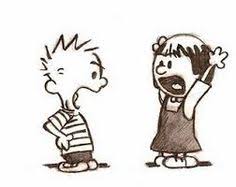
Freedom says, “I disagree with your choice, but I respect your right to
make it.” Force says, “If you don’t make the choice I approve of, I’m cutting you out of my life.”
When you end friendships over voting, you’re using force. That’s not friendship; it’s emotional extortion.
Values and Echo Chambers
But Curt, what about values? If your values include loyalty, kindness, and honesty, then a friend who demonstrates those qualities every day shares your actual values.
If your “values” require everyone to vote exactly like you, then those aren’t values. They are demands for compliance.
When you cut people out, you build an echo chamber. You stop growing, you stop learning, and you stop questioning your own assumptions.
Fear-Based Decisions
People aren’t ending friendships over politics; they’re ending them over fear. They fear that association equals endorsement or that others will judge them.
But here is the thing about fear-based decisions: They are always wrong.
The Adult Approach
A freedom-based friendship says, “I think you’re wrong and your vote might hurt the country, but I know you’re a good person.”

That’s what adults do. We grab coffee and argue about it.
Character vs. Politics
Judge people by their actions, not their votes. If your friend treats people with respect and integrity, their politics are irrelevant to the friendship.
If they are cruel or dishonest, you have a character problem, not a political one.
Does this person make my life better? Do I make theirs better? If the answer is yes, then their voting record is none of your business.
A Challenge to Reconnect
If you’ve ended a friendship over politics, ask yourself if you are actually happier or more at peace now. Or do you just miss your friend and find yourself in a smaller, more anxious world?
I challenge you to text that friend right now. Say, “I miss our friendship. Can we grab coffee and talk about literally anything else?”
Nine times out of ten, they will say yes because they miss you, too.
Everyone Happy, Everybody Wins
Politics should never be more important than people. Candidates come and go, but real friendships are rare and precious.
Don’t let yourself be manipulated into thinking a friend’s vote is a threat to your existence. When we stay friends despite disagreement, everybody wins.
Take back the power to build bridges instead of burning them. Politics can’t give you a meaningful life—only real friendship can.
The Perfect Society
I’ve laid out a simple, powerful blueprint for a society that works for everyone in my book, Everybody’s Happy, Everybody Wins: How to Build a Perfect Society. 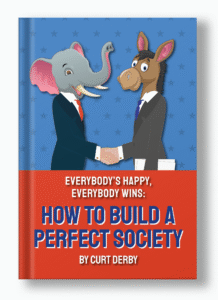 Because I believe that self-reliant citizens build stronger communities, all book formats are completely free.
Click here to get your free copy and start building a perfect society today.
About the Author
Curt is a native of the United States and a passionate advocate for personal responsibility and community-led solutions.
Born and raised in Ohio, he has traveled the country seeking innovative approaches to societal problems.
His background in entrepreneurship has taught him that real change comes from thinking outside the box, not from waiting for permission.
When he’s not writing, Curt enjoys reading, hiking, and spending time with his son.